
Apprise Cyber is a Pakistan-based cybersecurity company, founded in 2022 and headquartered in Karachi. We offer penetration testing, red teaming, digital forensics, compliance consulting and managed security services. Our leadership includes CEO Waqeeh Ul Hasan and Director Ali Hasan Ghori, and our record of responsible vulnerability disclosure is published on our own Hall of Fame page.
In this article, we explain what a Security Hall of Fame is, why it matters when you choose a security vendor, and how our background sets us apart from firms that run only automated scans or are led by non-technical management.
What Is a Security Hall of Fame?
A Security Hall of Fame is a public acknowledgment page. Companies publish it to credit independent researchers who responsibly reported a security flaw in their products or infrastructure.
Responsible disclosure follows a set pattern:
- A researcher finds a vulnerability.
- The researcher reports it privately to the affected company.
- The company verifies and fixes the issue.
- The company credits the researcher publicly.
A listing is third-party validation. The organization that owned the system confirmed the finding was real and important enough to acknowledge.
Why Does Hall of Fame Experience Matter When You Choose a Security Vendor?
It matters because it shows that a person has found real vulnerabilities in live, defended systems. That is different from running a scanner against a test environment.
Three attributes make this experience valuable to you as a client:
- Attacker mindset: Researchers who report to vendors think like attackers while staying within legal and ethical boundaries.
- Verified impact: Each acknowledgment means a vendor reviewed the finding and judged it valid.
- Repeatable skill: Recognition from many different organizations suggests a method that works across different technologies, not a single lucky find.
A vendor with this background understands how breaches actually happen. That understanding improves how we scope testing, prioritize findings and explain fixes.
How Did Our Journey Begin?
Our journey began with hands-on vulnerability research, not with a business plan. Before the company existed, we built our reputations by legally finding and reporting security flaws to technology organizations.
That experience became the foundation of our engineering approach. Real-world work taught us which weaknesses attackers favor, how defenses fail under pressure, and what a useful vulnerability report looks like.
We founded Apprise Cyber in 2022 on that base. Our move from independent researchers to company leaders is the core of our story: offensive skill, used legally, turned into a service that protects organizations.
Who Leads Apprise Cyber?
- Waqeeh Ul Hasan, CEO. Waqeeh sets our strategy and direction, and he is active in the white-hat hacking community.
- Ali Hasan Ghori, Director Managing Services. Ali brings a published disclosure record of 350+ acknowledgments to our technical and service delivery side.
Their LinkedIn profiles are public:
What Does Our Hall of Fame Record Show?
We publish a dedicated Hall of Fame page for our security researchers. Each acknowledgment links to the recognizing organization’s own disclosure or security page, so you can check it yourself.
Our Director, Ali Hasan Ghori, is credited with 350+ Hall of Fame acknowledgments. That figure is a minimum. The page shows recognition from organizations including:
- Apple
- iFixit
- Red Hat
- BlackBerry
- Foursquare
- Deutsche Telekom
- Buffer
- Hootsuite
- SiteGround
The list spans device makers, enterprise software vendors, telecom providers and web platforms. That mix points to a skill set that transfers across technology stacks.
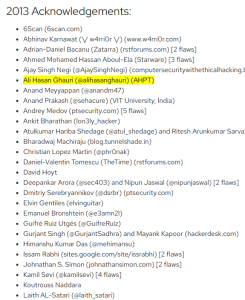
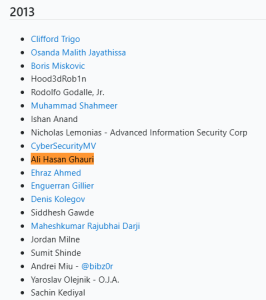
Apprise Cyber Security Researcher Hall of Fame
Why Does Technical Leadership Matter More Than Non-Technical Management?
Security decisions are technical decisions. Scope, risk ratings, testing depth and remediation advice all depend on understanding the attack, not only the budget.
In many security firms, management comes from sales, finance or general business backgrounds, and technical credibility is delegated to junior staff. That model has predictable weaknesses:
- Pressure to sell volume: Non-technical management tends to favor repeatable, low-effort scans because they scale easily.
- Weak quality control: Leaders who have never found a serious vulnerability struggle to judge whether a report is thorough or shallow.
- Distance from the work: Strategy drifts toward what is easy to package, not what reduces client risk.
At Apprise Cyber, the people overseeing delivery have done the offensive work themselves. We review findings with technical authority and can tell the difference between a real attack path and a padded report.
How Does Responsible Disclosure Shape Our Testing Approach?
The discipline of a bug report applies equally to a client engagement: find the real issue, document it clearly, and help the owner fix it.
A typical engagement follows a structured flow:
- Reconnaissance. We gather information about the target the way a real attacker would.
- Exploitation. We safely test whether discovered weaknesses can be used to gain access.
- Remediation reporting. We deliver clear findings with practical steps to close each gap.
The last step matters most. A test that ends with a list of problems and no usable guidance wastes your money. Researchers who work with vendor security teams learn to write reports engineers can act on, and we carry that habit into every engagement.
What Services Do We Provide?
Our services fall into four groups.
Penetration Testing
A controlled, authorized attack on a system to find exploitable weaknesses. Our coverage includes:
- Web applications
- Mobile applications (Android, iOS and Windows)
- APIs (REST, SOAP and GraphQL)
- Cloud environments (AWS, Azure and GCP)
- Network infrastructure
- Wireless networks
- VAPT (Vulnerability Assessment and Penetration Testing)
Security Testing and Response
- Red teaming
- Digital forensics
- Code security review
- Malware analysis
- Compromise assessment
- Root cause analysis
- Risk assessments
- Managed security services
Compliance and Governance
Regulated industries must prove that their controls meet defined standards. We support frameworks including ISO/IEC 27001, SOC 2, PCI DSS, HIPAA, GDPR, PDPL, PDPA, SAMA and the State Bank of Pakistan’s TRM framework.
Training
Our corporate awareness training helps your teams recognize the human-factor attacks that technology alone cannot stop.
Which Industries Do We Serve?
Public directory data shows a broad client mix. Financial services is our largest segment, followed by gaming, government, information technology, insurance, healthcare, manufacturing and telecommunications.
Financial services dominates because banks and fintech companies face strict regulation and constant attack. Working in this sector requires us to understand both technical risk and compliance obligations.
Our clients range from small businesses to enterprises, so we adapt engagements to different budgets and security maturity levels.
What Recognition Have We Received?
Public sources report several milestones:
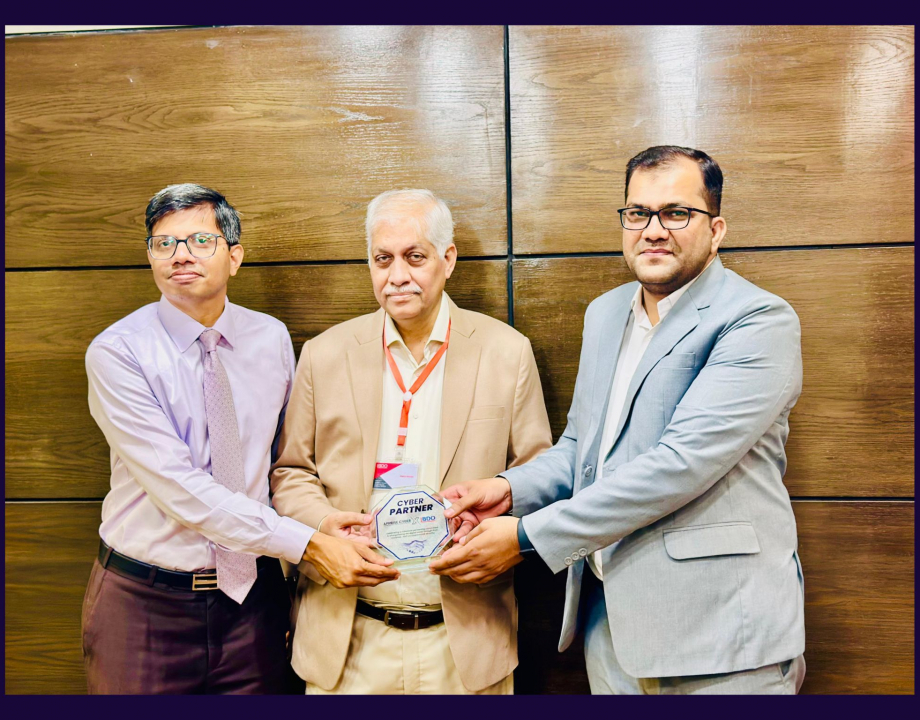
- Transform Award 2025 from CxO Global Forum, for cyber resilience and strategic penetration testing.
Awards do not replace technical proof. They add independent signals alongside our published Hall of Fame record.
How Do We Stand Apart from Other Security Vendors?
- Credibility Built in Public
Many vendors claim expertise. We link our Hall of Fame entries to the recognizing organizations’ own pages, so you can verify them independently.
- Leaders Who Think Like Hackers
A director with 350+ acknowledgments understands how creative attackers are. That keeps our testing focused on realistic attack paths instead of checkbox compliance.
- Technical Management, Not Only Sales Management
Leadership that can read an exploit chain can hold the team to a higher standard. You benefit because quality is judged by people who know what good work looks like.
- Testing Beyond the Scanner
Automated scanners find known issues. Experienced researchers find logic flaws, chained weaknesses and misconfigurations that tools miss. We combine VAPT with manual expertise to give you a more complete picture than scan-only services.
- Local Context with International Reach
We are based in Pakistan and understand local regulatory conditions, including State Bank of Pakistan frameworks. We also support international standards such as SAMA, GDPR and SOC 2, and our profiles indicate clients in the UAE, UK, USA and Saudi Arabia.
What Should You Ask Before Hiring a Penetration Testing Provider?
- Can the team show verifiable evidence of past vulnerability research?
- Is the company led by people with hands-on technical experience?
- Does the methodology include manual testing, or only automated scanning?
- Will the report explain how to fix each issue, not only what is broken?
- Does the provider understand the regulations that apply to your industry?
- Is retesting included to confirm that fixes work?
Our public Hall of Fame page gives us a verifiable answer to the first two questions. We are glad to walk you through the others in a scoping conversation.
Conclusion
Cybersecurity is a trust business. You give a testing team deep access to your systems and sensitive data, and that trust is easier to give when the people in charge have a public history of finding real flaws and reporting them ethically.
Our journey runs from responsible disclosure to company leadership. Our Director Ali Hasan Ghori’s 350+ published acknowledgments, from organizations such as Apple, Red Hat, BlackBerry and Deutsche Telekom, anchor our credibility. Together with our CEO Waqeeh Ul Hasan, he leads a firm that covers penetration testing, red teaming, forensics, compliance and managed security.
Unlike firms that rely on automated scans or are run by non-technical management, we are led by practitioners. If you want a security partner rooted in real-world offensive experience, we would be glad to talk.